Intro
Nestled in the foothills of the Central High Atlas mountains, approximately halfway between the bustling cities of Marrakesh and Beni Mellal, lies the serene town of Bzou. Often overlooked by the mainstream tourist trail, Bzou is a place where time seems to slow down, preserved by its deep-rooted Berber traditions and a world-renowned craft that clothes kings and dignitaries. In this post, we dive into the history, the culture, and the “white gold” of this Moroccan treasure.
A Glimpse into the History of Bzou
Bzou’s history is inextricably linked to the Tadla region and the Berber tribes of the High Atlas. For centuries, it has served as a vital crossroads for trade between the northern plains and the southern mountain passes.
The name “Bzou” itself carries local significance, with two popular etymological theories:
- Afza/Afzu: A Berber word meaning “limestone,” referring to the rugged, pale rocky landscapes that surround the town.
- Abzaw: A term referring to a rich “honey-like” color, perhaps reflecting the golden hues of the hills during sunset or the local produce.
The town has historically been home to a diverse mix of Berber and Arab communities, and even once hosted a thriving Jewish community that contributed significantly to its commercial life.
The “White Gold”: Kharqa Bziouia
What is it?
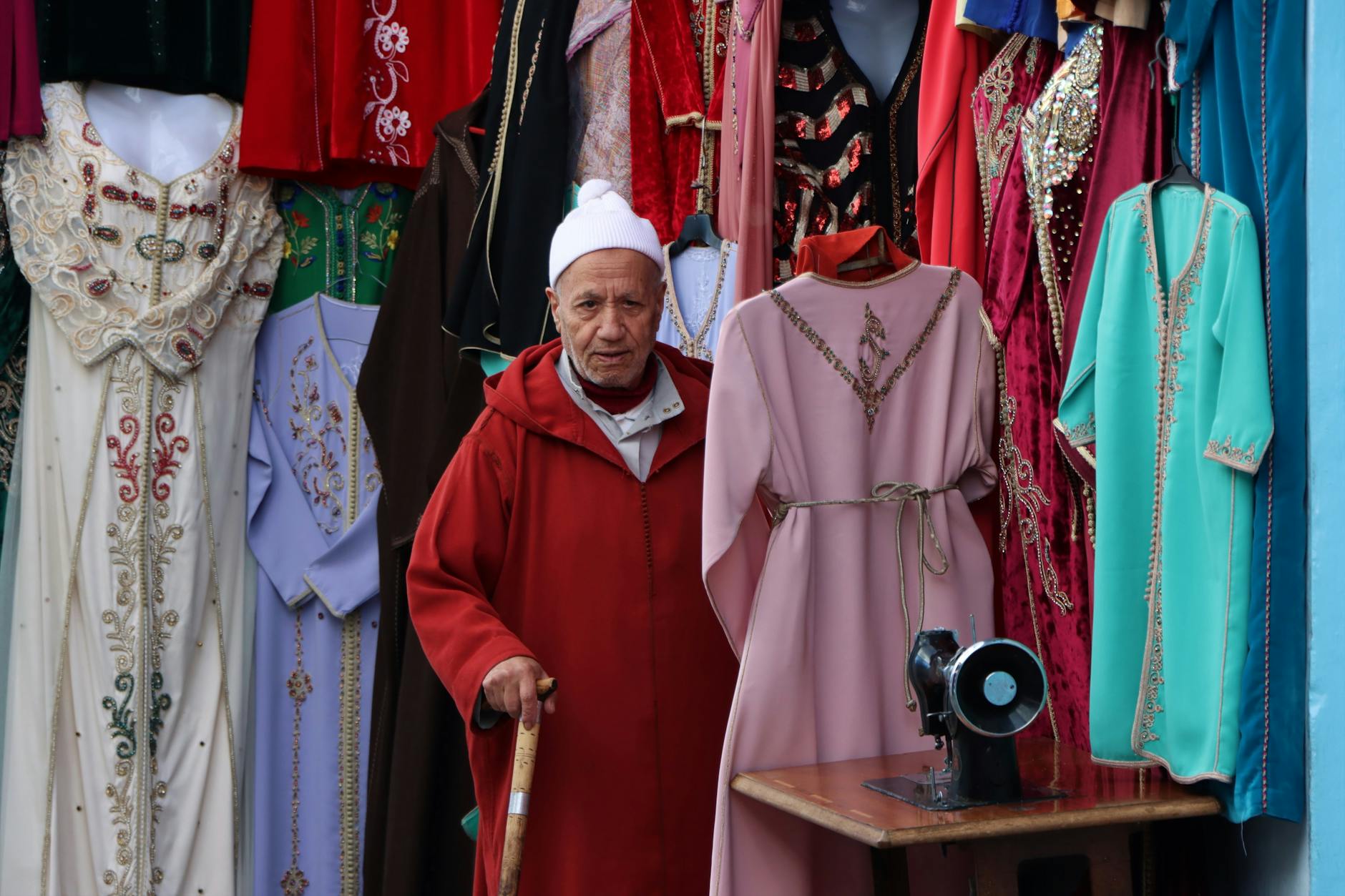
The Kharqa is an incredibly fine, semi-transparent wool fabric used to make the most luxurious Djellabas (traditional Moroccan robes). Known for its extreme finesse and lightweight feel, it is often referred to as “the fabric of kings.”
Specifically, the town is the birthplace of the Labziouia style of Djellaba. This prestigious garment is world-famous for being the primary choice of the Moroccan King, who frequently wears the Labziouia during official state ceremonies, religious holidays, and royal speeches, symbolizing the peak of Moroccan elegance and heritage.
The Craftsmanship
The production of this fabric is a meticulous, labor-intensive process performed almost entirely by the women of Bzou:
- The Wool: Local wool is washed, carded, and spun into threads so thin they are almost invisible.
- The Weaving: Using traditional looms, the weavers spend weeks, sometimes months, creating a single “coupon” of fabric.
- The Market: Every Friday, the town holds a specialized auction where men bring the finished fabrics to be sold to high-end tailors from cities like Fez, Rabat, and Casablanca.
Facts & Local Specialties
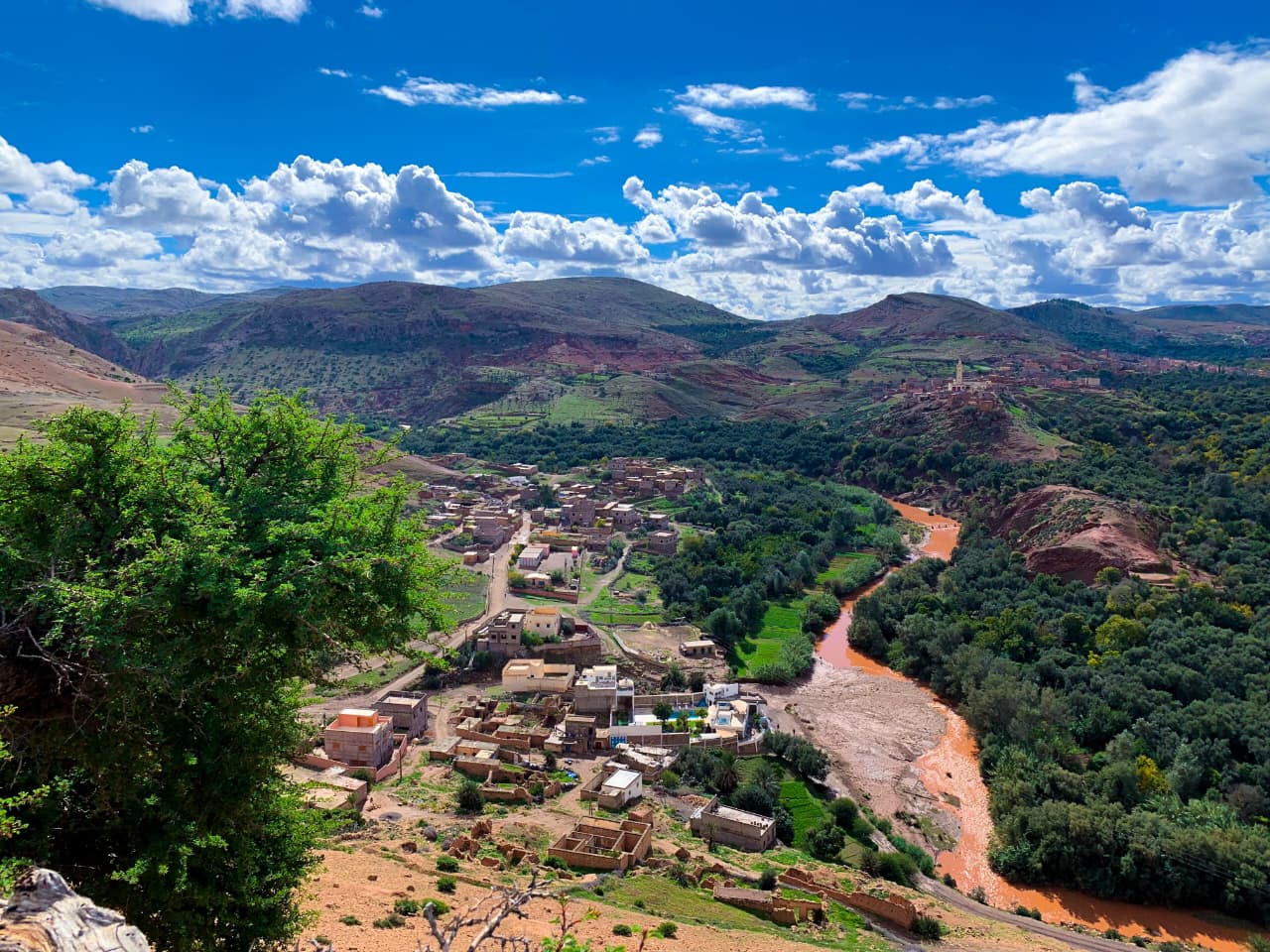
- Agricultural Abundance: Thanks to its location near the Oued El Abid river and numerous natural springs, Bzou is a green oasis. It is famous for its olive oil and high-quality honey, which are staples of the local economy.
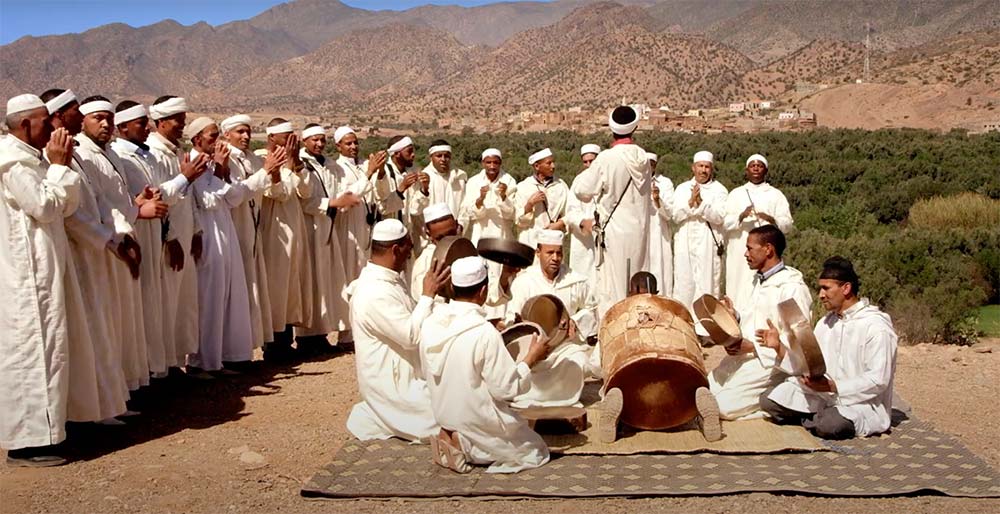
- Moussem of Sidi Moulay el Berj: The town celebrates its spiritual heritage with annual festivals (moussems) that bring together local tribes for music, “Fantasia” (gunpowder horse shows), and communal feasts.
- A Natural Playground: Bzou is a gateway for nature lovers. It is located near the spectacular Ouzoud Waterfalls and the Bin El Ouidane Dam, making it a perfect base for hikers and explorers.
- Demographics: Bzou is a “rural commune” consisting of several small douars (villages). Despite its small population, its cultural influence is felt in every Moroccan palace and official ceremony where the Bzioui Djellaba is worn.
Why Visit Bzou?
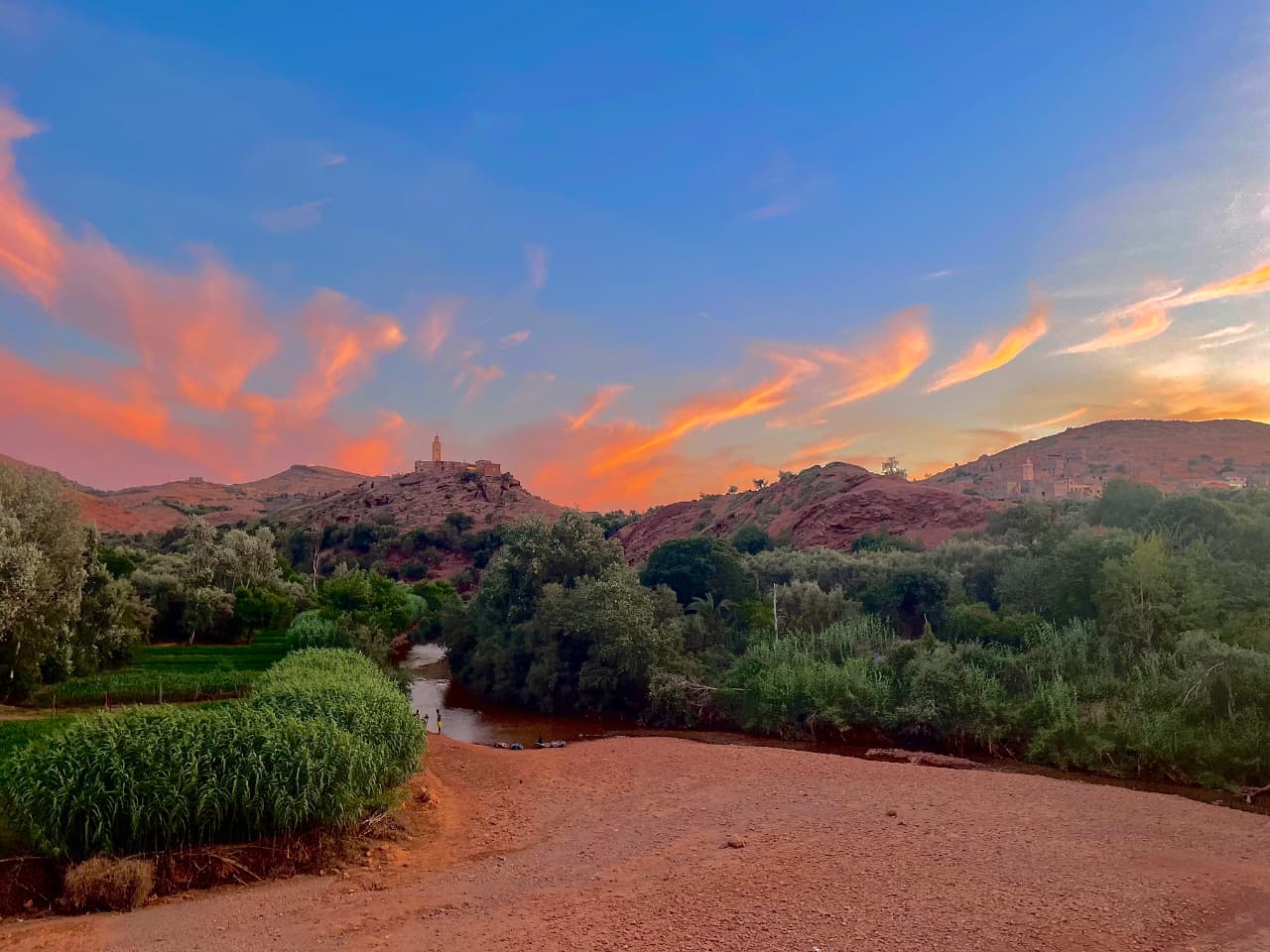
Visit Bzou if you want to experience the “authentic” Morocco. You won’t find large resorts or crowded souvenir shops here. Instead, you’ll find:
- Breathtaking panoramic views of the Atlas Mountains.
- Warm Berber hospitality.
- The chance to see an ancient weaving tradition that is being passed down from mothers to daughters to this day.
Travel Tip: The best time to visit is during the spring (March to May) when the valleys are lush and green, or late autumn when the olive harvest is in full swing.
Have you ever heard of the Bzioui Djellaba?
Bzou is a reminder that some of the most precious parts of a country’s heritage are often found in its smallest towns. If you’re traveling through the Azilal province, make sure to stop by and breathe in the mountain air of this historic commune.
The Lifeblood: Oued El Abid
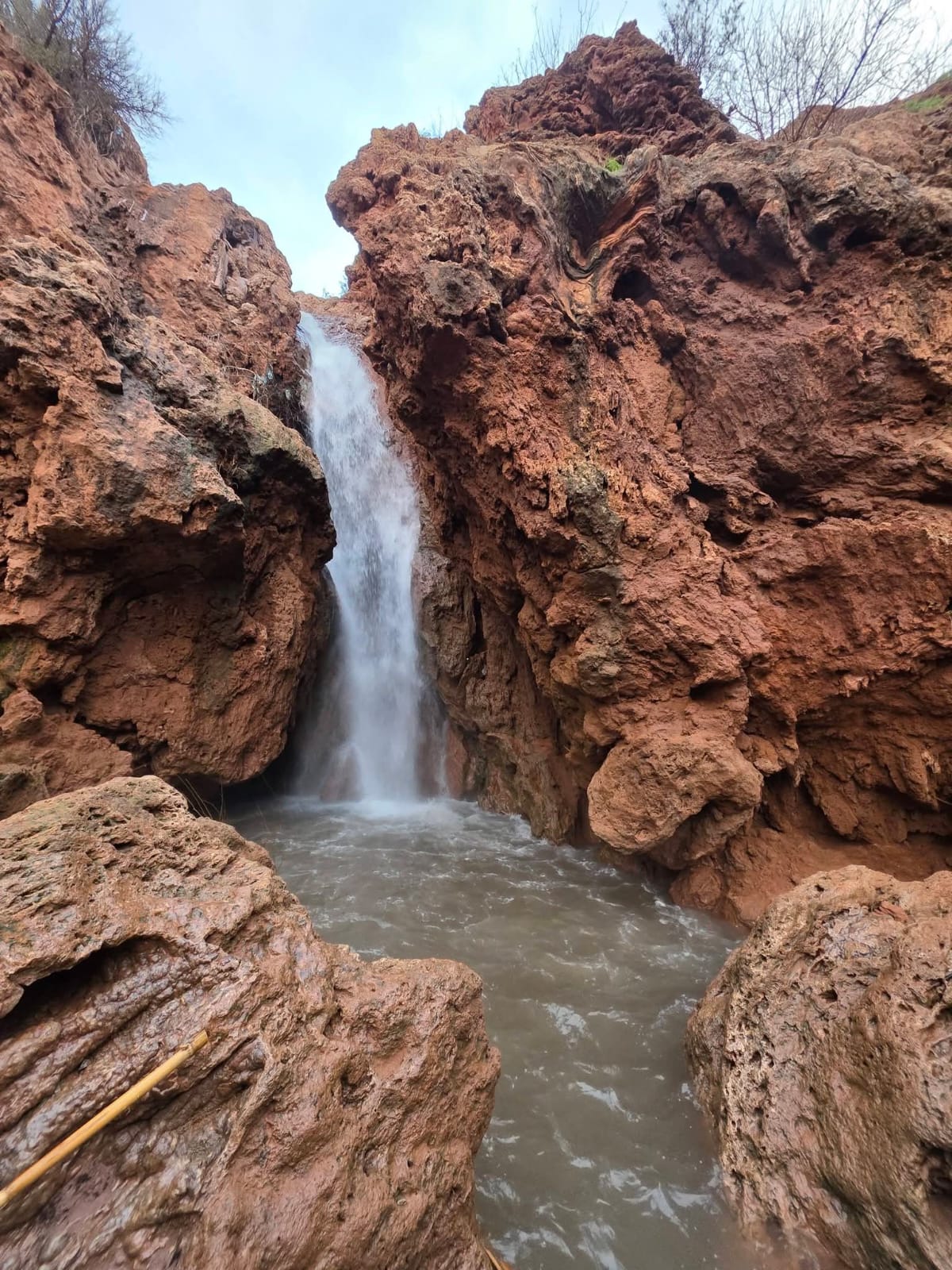
Running through the heart of the region is the Oued El Abid (the Slaves’ River), a vital water source that has sustained life in Bzou for millennia. This major tributary of the Oum Er-Rbia river has carved dramatic, steep limestone gorges that define the local geography. Its presence allows Bzou to remain a lush green oasis in a rugged landscape, providing the necessary irrigation for the town’s famous olive groves and almond trees. The river’s cool waters and the sound of it echoing through the canyons are central to the peaceful atmosphere that visitors find so enchanting.